
How to Know When You Are Ready to Compete in Your First Online Poker Tournament
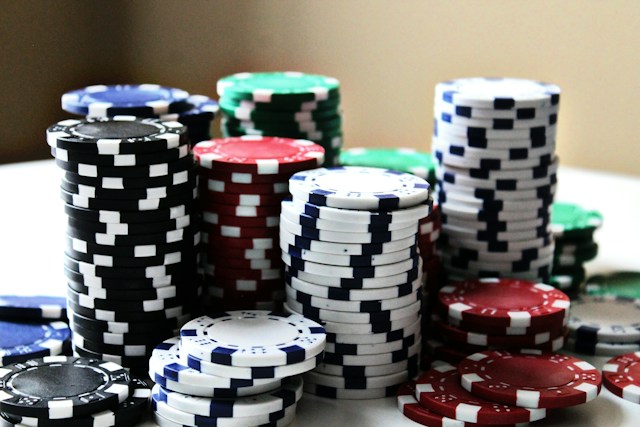
Source: unsplash.com No Attribution Required
Poker has lasted for generations because it rewards clear thinking, patience, and smart decision-making. That has grown even further with online poker, where players can join cash tables, try different formats, and even sit in live games with real dealers from almost anywhere.
Still, playing a few hands for fun and entering a tournament are two very different challenges. A tournament demands more: discipline, timing, bankroll control, and the ability to stay sharp as the pressure builds. The real question is simple: when are you genuinely ready to take that step?
You Understand the Difference Between Cash Games and Tournaments
A player is closer to tournament-ready when they stop treating every chip like cash-game money. In a cash game, you can top up, leave when you want, and reload after a mistake. In a tournament, each decision affects your survival. Once your stack is gone, your run is over.
That changes hand selection, risk tolerance, and table strategy. For example, calling an all-in with pocket tens early in a tournament might be too loose against a tight player, even if it would be acceptable in a regular cash spot. You need to think beyond whether a hand is strong and focus on what that decision means for your stack over the next level and beyond.
If you already recognize stages such as early play, middle stages, and late pressure, that is a strong sign. Tournament players adjust because chip value changes as blinds rise and the field shrinks.
Your Bankroll Can Handle Tournament Variance
Tournaments are exciting, but they are also volatile. A solid player can make the right decisions and still go several events without a deep run. That is normal. Readiness starts with accepting that results can swing sharply even when your play is sound.
Comfort matters as much as maths. If losing a buy-in will affect your mood for the rest of the session, the stake is probably too high. Playing within your limits keeps your decisions steady, which tournament poker demands.
You Can Play a Full Session Without Losing Focus
Many new players underestimate how long tournaments can last. Even a small-field event can run for hours, while larger competitions demand much more endurance. Being ready means you can stay attentive from the opening level through the key late spots when every mistake matters more.
This is easy to test. Play a few scheduled sessions at home and track your concentration. Did you drift into autopilot after ninety minutes? Did you rush decisions once the blinds went up? Did you start opening weak hands because you got bored? Those are clear signs that stamina still needs work.

A strong routine helps here. Sit down without distractions, keep your phone away, and give the game your full attention. If you can do that consistently, especially over longer stretches, you are building one of the most important habits for your first tournament.
You Know How to Adjust as Blinds Increase
Blinds create pressure, and that pressure exposes players who rely on one style throughout the whole event. Early on, you may have time to wait for stronger spots. Later, you must balance that patience with urgency. If your stack falls from 60 big blinds to 15 and your approach does not change, you are already behind.
Consider a practical spot. With 12 big blinds on the button and folded action to you, a hand like ace-seven suited may be strong enough to enter the pot, depending on the blinds. Beginners often hesitate because the hand doesn't look premium. A prepared tournament player sees stack size, position, and fold equity, then acts decisively.
Readiness shows in these adjustments. You don't need perfect theory, but you should know when to tighten up, when to steal blinds, and when preserving chips matters less than taking a strong attacking opportunity.
You Stay Calm After Setbacks
Every poker player takes bad beats. The issue is not whether they happen, but how you respond when they do. A first tournament can feel intense, and one lost pot may tempt you to force action right away. That reaction is expensive.
Imagine building your stack for two hours, then losing with kings against ace-queen when an ace lands on the river. An unprepared player may start jamming weak hands from frustration. A ready player takes a breath, checks the new stack size, and continues with a clear plan. Emotional control often separates a recovery from a collapse.
You do not need to enjoy the setbacks. You just need to handle them without letting them dictate the next ten hands. If you can reset quickly, you are far more likely to compete well when the pressure rises.
You Have Practiced With a Clear Purpose
Experience helps only when it teaches you something. Playing many games casually is less useful than playing fewer games with clear goals. Strong preparation comes from reviewing hands, noticing mistakes, and understanding why a decision worked or failed.
For instance, you might decide to focus on blind defense for a week. After each session, review spots where you called from the big blind. Were you out of position with weak hands that caused trouble later? Did you miss chances to re-raise against frequent stealers? That kind of review produces real improvement.
Preparation can also include setting simple benchmarks. Maybe you want to feel confident with push-fold spots under 15 big blinds. Maybe you want to improve your button aggression against tight blinds. When your practice has purpose, your first tournament becomes a planned step, not a random gamble.
Poker in Las Vegas
Poker in Barcelona
Poker in Rozvadov
Poker in London
Poker in Paris
Poker in Bratislava
List of World Poker Events
More interesting and useful articles from the world of poker you can read in our blog. Also search for poker clubs in the country or city, get to know about upcoming poker tournaments or cash games at PokerDiscover.com
If you liked the article, don’t forget to share it with your friend
* The content may include links to external sites relevant to the topic
* This article is for informational purposes only and does not constitute legal or financial advice
* Some content on this page may include promotional references to gambling services
* 18+ only. Please gamble responsibly