
How Poker Players Bring a "Table Image" Mindset Into Online Casinos
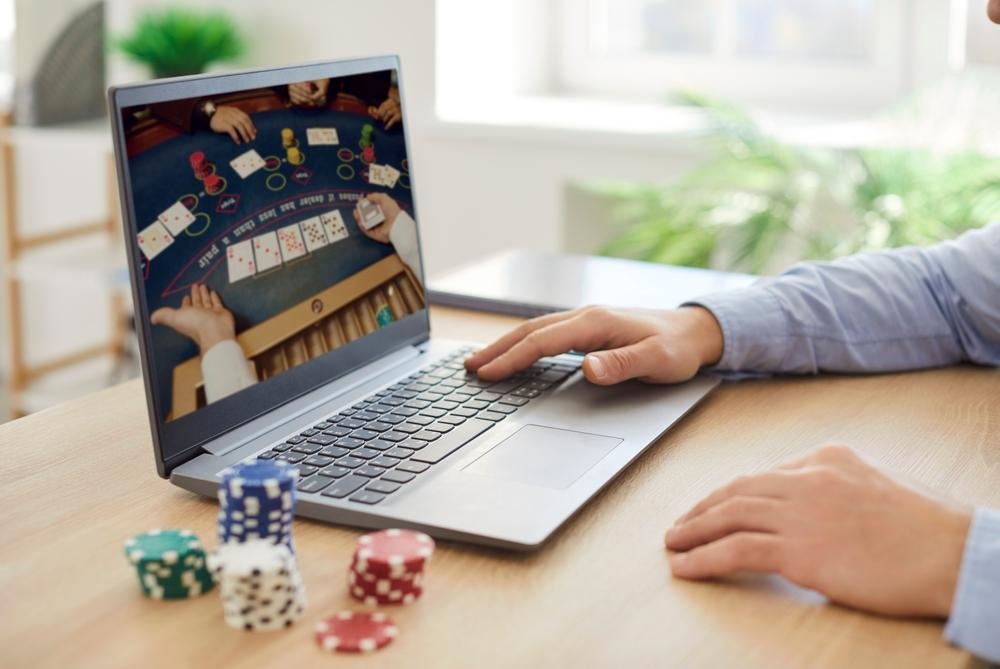
Source: shutterstock.com No Attribution Required
Poker trains players to make decisions based on reasoning, not just on whether one hand wins or loses. A smart call can still lose when the next card helps an opponent, while a weak play can win in the short term through luck.
After years of dealing with variance, many experienced players bring that caution into online casino games. They often review RTP, volatility, table limits, rules, and bonus features before choosing a game. When deciding on a platform, many visit BonusFinder to compare the best poker bonuses, payment options, and account terms.
Games like slots, roulette, and blackjack each have their own rules and odds. Even so, experience in poker can affect how players handle their time, risk, and decision-making in online casino play.
What Table Image Teaches About Self-Control
Table image refers to how opponents perceive a player's style, whether tight, loose, aggressive, or passive. This perception can change how they call, fold, bluff, or apply pressure in later hands.
Opponents usually form reads from bet sizing, timing, hand selection, and reactions after losing pots. Skilled players know how to control those signals by:
- Pausing before big calls, raises, or folds.
- Avoiding visible reactions after poor results.
- Betting or raising for a clear reason.
- Keeping decisions steady after losses.
Players who learn to stay calm and think through different outcomes often bring this mindset to other types of gambling. Even though online casinos don't have a table dynamic, there's still a need to control timing, reactions, and limits.

How Poker Discipline Influences Casino Play
Poker regulars bring a few useful habits into casinos, especially around risk, session control, and platform evaluation.
Risk Awareness
Anyone who spends enough time at the table learns that short-term results can mislead. A well-played hand can still lose, and a poor call can sometimes win.
Poker players often bring their understanding of tilt into online casinos. Instead of reacting to one spin, hand, or losing streak, they check the state of the session:
- How much am I prepared to lose today?
- Did frustration change my bet size?
- Am I chasing, or am I still in control?
Once players know what it feels like to make decisions based on emotion, they can spot it more easily in casino games, too.
Controlled Sessions
Poker is a game of patience. Many hands are better folded than forced, and long stretches of watching the table help players get used to inactivity.
Online casinos move at a much faster pace. Games load fast, bets are settled quickly, and new games are just a click away. Without limits, that speed can make a session harder to manage.
Players with poker experience often apply basic bankroll management before starting a session. Many set a fixed spending limit, avoid raising their bets after a loss, or take a break when they lose focus. With those rules in place, a session is less likely to drift from the planned budget and time limit.
Careful Evaluation
Skilled poker players watch and learn before acting. Timing, stack size, bet amounts, and position all determine whether risking chips makes sense.
Online casino platforms demand a different type of analysis. A big bonus might seem appealing, but savvy players know to look at the fine print before making a deposit. Since they're used to reading small details at the table, it's easy for them to pick up on vague bonus conditions or confusing withdrawal terms.
For poker enthusiasts, good research on a platform usually means checking bonus rules, payment times, account limits, game providers, and user feedback.
How Online Casinos Are Responding to Strategic Players
Online casinos now offer clearer information, better account controls, and less crowded game lobbies for players. Game design features common in poker rooms are now also found on casino sites:
- Tournament-style competition: Tournaments, leaderboards, and prize races make games feel more competitive.
- Progress-based rewards: VIP tiers, cashback, and repeat-play rewards resemble rakeback and loyalty systems.
- Account tools: Deposit limits, time-outs, and reality checks support tighter control over spending and playtime.
- Live dealer formats: Real dealers, timed betting windows, and shared table flow create an experience similar to live card rooms.
- Lobby-style layouts: Categories, provider search, favorites, and recently played sections allow players to compare options quickly.
With those features, it's easier to sort games by format, check terms, set deposit limits, and track rewards without digging through cluttered menus.
Conclusion: Competitive Habits Extending Beyond the Table
Managing table image at the poker table teaches restraint, timing, and discipline after a big win or loss. In online casinos, this mindset helps players be more careful about where they sign up, which bonuses they take, and how much they trust a platform.
Poker and online casino games are different, but discipline matters in both. Setting clear limits, making calm decisions, and knowing when to stop can help make each session easier to manage.
Poker in Las Vegas
Poker in Barcelona
Poker in Rozvadov
Poker in London
Poker in Paris
Poker in Bratislava
List of World Poker Events
More interesting and useful articles from the world of poker you can read in our blog. Also search for poker clubs in the country or city, get to know about upcoming poker tournaments or cash games at PokerDiscover.com
If you liked the article, don’t forget to share it with your friend
* The content may include links to external sites relevant to the topic
* This article is for informational purposes only and does not constitute legal or financial advice
* Some content on this page may include promotional references to gambling services
* 18+ only. Please gamble responsibly