
How Live Poker Communities Are Adapting to Digital Tools
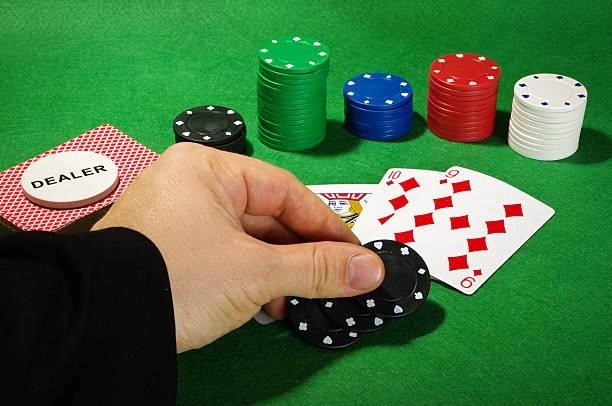
Source: magnific.com No Attribution Required
Look, poker players have never been shy about tradition. There's a reason we still shuffle physical cards when random number generators exist. The feel of chips in your hand, catching a subtle eye twitch from across the table, the way conversation flows during a long Friday night game: these things matter. They're what make poker more than just cards and maths.
But here's the thing: even the most old-school poker communities I know have started weaving digital tools into how they operate. And honestly? It's not killing the vibe like some folks predicted. If anything, it's breathing new life into clubs and home games that were struggling to stay organised.
Bridging the Gap Between Online and Offline Play
Think about how poker communities used to work. You'd stumble into a card room, maybe because a mate dragged you there. You'd play a few sessions, get to know the regulars and boom: that was your poker world. Maybe you'd venture out to a bigger tournament once or twice a year if you were feeling ambitious.
That approach worked fine when it worked, but it also meant tonnes of players existed in these tiny, isolated bubbles. Miss a few weeks because of work or family stuff? Good luck finding out when the next home game was happening.
These days, most poker groups I've come across run Discord servers or Telegram channels. Last month I sat in on a game where someone mentioned their local league (somewhere in Melbourne) had a WhatsApp group with over 150 people. They coordinate everything through it. Home game locations, who's driving to the casino tournament two hours away, even informal coaching sessions where better players walk through hands with newer ones.
What surprised me was how this actually made the live games better. People don't just disappear anymore. Someone who can't make it for a month stays connected through the chat, sees the hand discussions and stays invested. And breaking into a new group? Way less awkward when you can introduce yourself online first, get a feel for everyone's personality and then show up knowing a few names and faces.
Maddison Dwyer and other folks in the industry have picked up on this pattern: the way digital tools create these hybrid communities where online and offline feed into each other instead of competing. The poker clubs that get this are the ones thriving right now.
Tournament Management Goes Digital
Remember when running a tournament meant someone hunched over a clipboard, manually tracking chip counts while everyone waited? I've been at events where we'd lose 20 minutes every break just trying to figure out who busted when and whether the chip counts matched up.
That world is basically gone now, at least in any halfway-organised venue. Tournament software has swept through like wildfire. You've got platforms like Poker Tournament Supervisor and PokerStars Live Events handling everything from buy-ins to payout calculations to displaying live standings on monitors around the room.
I watched this shift happen at a regional series I play regularly. They used to need four volunteers just to manage registration and keep things moving. Now? One person with a laptop handles it all. Players check their table assignments on their phones. The tournament starts when it's supposed to start. Breaks actually last 15 minutes instead of morphing into half-hour chaos sessions.
And here's something tournament directors are loving: the data. They can see which formats pack the room and which ones struggle. They know who their regulars are, what stakes people prefer and when participation dips. It's not just about running smoother events: it's about understanding what the community actually wants.
Education and Strategy Sharing in Real Time
Poker education used to mean buying Harrington on Hold'em and maybe watching some grainy tournament footage. If you wanted serious coaching, you needed deep pockets and connections.
That's completely flipped. Now your average home game crew has access to the same equity calculators and analysis tools that pros use. I know a weekly game where half the players are in a private Discord channel between sessions, posting hands they played and breaking them down together. Someone pulled out their phone last week to show a hand they'd recorded, walked everyone through the decision points during a break.
Some groups even pool money to bring in coaches for monthly Zoom sessions. They'll study theory together and then actually apply it in their next live game. It creates this feedback loop that's pretty powerful.

The skill level has definitely risen. Your typical Friday night game in 2024 is tougher than it was in 2014, no question. But weirdly, that hasn't killed the fun. When everyone's getting better together, the games stay interesting. You're not just exploiting the same mistakes over and over: you're actually having to think.
What I really like is watching younger players introduce these tools to the older generation. There's something cool about seeing a 25-year-old teach a 60-year-old regular how to use a range calculator, both of them learning from each other. That kind of exchange keeps communities alive.
The Social Media Factor
Every poker room I know has a Facebook page now. Most have Instagram accounts. Some even maintain Twitter presences where they'll post bad beat stories or break down controversial hands.
This stuff matters more than you'd think. A well-run social media presence pulls in new players who had no idea a local poker scene existed. It keeps regulars engaged when they're not at the table. And it builds this sense of identity: like you're part of something bigger than just showing up for cards once a week.
I've seen communities get pretty creative with it. Livestreaming final tables, putting together highlight videos and running actual marketing campaigns for their events. The production quality is usually amateur hour, but that's kind of the point. People want to see themselves and their friends, not some polished corporate content.
One club I know started posting Instagram stories from their tournaments, just quick clips of big pots or funny moments. Their attendance jumped 30% over six months. Turns out people like being part of something visible, something they can show their mates.
The funny thing about all this digital integration is that we're still figuring it out. Nobody has the perfect formula for blending technology with live poker: we're all just experimenting, seeing what works. The communities doing it right are the ones staying flexible, trying new tools without losing sight of why people showed up in the first place.
Because at the end of the day, we're not here for the Discord channels or the tournament software. We're here for the competition, the conversations and the friends we've made across countless hands. The digital stuff? It's just helping us do more of what we already loved.
Poker in Las Vegas
Poker in Barcelona
Poker in Rozvadov
Poker in London
Poker in Paris
Poker in Bratislava
List of World Poker Events
More interesting and useful articles from the world of poker you can read in our blog. Also search for poker clubs in the country or city, get to know about upcoming poker tournaments or cash games at PokerDiscover.com
If you liked the article, don’t forget to share it with your friend
* The content may include links to external sites relevant to the topic
* This article is for informational purposes only and does not constitute legal or financial advice
* Some content on this page may include promotional references to gambling services
* 18+ only. Please gamble responsibly